Categories
GPB INTERVIEW CORAM TALKS OF A NEW MEMOIR

Celeste Headlee of Georgia Public Broadcasting interviewed Coram on her popular morning show, “On Second Thought.”
Here is the audio from that interview.
Enjoy.
When General Charles Krulak asked me to be here today his instructions were simple: be brief, he said . . . or The Brute will come down and rip your head off.
I believe that to be true. So this will be to the point.
When I first met Brute Krulak I found him a man of great self control, a man not given to revealing much of himself. So I went to his older son, Victor Jr., and said, “What moves your father? What does he feel passionate about?”
“The Marine Corps,” he said.
For Brute Krulak , it was always about his beloved Corps. He was devoted to his wife Amy and to his three sons – Victor, William, and Charles – but The Marine Corps always came first.
He served thirty-four years, and if one word were chosen to represent those years it would be integrity. He always did the right thing, no matter the opposition, no matter the cost.
Let me go back more than sixty years to give you an example.
During World War II, the Army began making plans to dismantle the Marine Corps in the post-war drawdown.
To stop this threat, a handful of Marine officers formed what came to be known as the Chowder Society. Lieutenant Colonel Krulak, because of his soaring intellect, his boundless energy, and his remarkable abilities as a writer, was the most important member of that group.
Opposing the Chowder Society were a number of brother marines, the President, several members of the Joint Chiefs of Staff, Generals Marshall and Eisenhower, and powerful members of Congress.
But The Brute never lacked self confidence, especially when he thought he was right. And, by the way . . . he was always right.
Lieutenant Colonel Krulak met General Eisenhower at a party and the general said, “Just what is it that you Marines want?”
The Brute looked him in the eye and said, “The right to fight for our country, sir.”
Read the Bended Knee Speech, the turning point of the unification fight. Read the National Security Act of 1947 and the 1952 amendments. Think about the fact the Marine Corps is the only branch of the US Military whose size and manpower is protected by law. Take comfort in knowing the Marine Corps is most ready when the nation is least ready. For all of this we can thank General Krulak .
Much of General Krulak ’s reputation has to do with the fact he was one tough Marine. He lived up to his nickname. He was a hard man who could make hard decisions. His candor to his superiors often bordered on impertinence. Colonels have retired rather than serve under him. But he was also a man of great compassion.
When he was Commanding General at MCRD, the wife of one of his drill instructors went to Balboa to deliver her baby. The baby was stillborn. The mother was in great pain but was not attended to for some time and then she was placed in a ward with the mothers of healthy newborns. Her husband came to comfort her but it was not visiting hours and he was turned away.
The drill instructor called the officer of the day who said, “Stand by that telephone.” Now if there was one thing The Brute could do, it was light a fire under people who were not doing their jobs. Less than ten minutes later Major General Krulak called the corporal, told him his wife had been transferred and to go to her side. When the corporal arrived, he found captains, commanders, and senior nurses waiting, all very solicitous. The standard of care had greatly improved for that young Marine’s wife. The corporal retired as a master sergeant and today General Krulak is still his hero.
Some of you may have wondered why we are gathered in San Diego rather than in Washington, and why the General will be buried at Fort Rosecrans rather than at Arlington.
When General Krulak was at MCRD, he set the standard for community involvement by a commander. After he retired, the General and Mrs. Krulak lived in San Diego for more than forty years, longer than they lived anywhere else. He was on the board of the San Diego Zoo for most of that time and the zoo has never had a more vigorous, more influential board member. For almost a decade he was president of Copley news service and a prolific columnist.
Several weeks ago the General announced he wanted to be buried here. “I have a civic responsibility to the people of San Diego,” he said.
His life was all about duty.
His life was also about moral courage.
In 1967, Lieutenant General Krulak was Commanding General, Fleet Marine Force, Pacific, and first among those being considered for Commandant of the Marine Corps. He had everything to lose when he went to the White House and confronted President Johnson over how the Vietnam War was being prosecuted and how too many restraints were being placed upon the military.
The outlines of that incident are well known. When I asked the general for more details, to tell me what happened next, he said, “President Johnson stood up, placed his hand in the small of my back, and propelled me out of the Oval Office.”
In the past year we have read of retired generals publicly criticizing the President over this war. But it should be remembered they are retired, and they were not looking the President in the eye when they criticized him. They had nothing to lose. General Krulak did the right thing. But there is always a price to pay for doing the right thing. He was not appointed Commandant. He did not receive his fourth star.
But he did receive something that has eluded President Johnson: a lasting reputation as a man of integrity.
Time has a way of eroding a man’s accomplishments, of turning his life – along with his body – to dust.
That will not happen with General Victor Krulak .
He was the last of the old breed. And he is among those very few men who have the honor of being known as giants of the corps. When those men are listed, the name Brute Krulak is first,
It shines the brightest,
And it will be the most enduring.
Double Ace is out and the first review is in.
“A provocative, deftly written, and superbly documented biography that is highly recommended for military historians and aviation specialists, general readers, and all libraries.” —Library Journal Starred Revie
Double Ace, Coram’s biography of Brigadier General Robert Lee Scott, Jr.

Scott flew in China during World War II, came home in January, 1943, and in three days wrote the iconic God Is My Co-Pilot. The book still sells today.
The biography contains previously unpublished information about General Claire Lee Chennault, General Joseph Stilwell, Generalissimo and Madame Chiang Kai-shek and more of the out-sized personalities that rotated through the China-Burma-India Theater of World War II.
The biography also contains previously unpublished information about Scott and his roots in Macon, Georgia.
In August, Coram delivered a Professional Military Education (PME) talk to more than one hundred fighter pilots at Marine Corps Air Station Beaufort, SC.
His forty-five-minute talk was followed by a Q&A that lasted an hour and a half, the longest Coram has ever experienced.
It was one of the greatest days of Coram’s life. It was made possible by the Base Commander, Colonel Peter Buck, and his Executive Officer, Lt. Col. Sean Henrickson, two great Marines and great individuals.
The link below is an exact audio transcribe by my AI audio friends.
THANK YOU COLONEL HENRICKSON.
THANK ALL OF YOU. IT IS GOOD TO BE AMONG MARINES AGAIN.
HERE IS WHAT’S GOING TO HAPPEN TODAY: FOR THE NEXT FORTY-FIVE MINUTES, I WILL BE TALKING ABOUT THREE MEN WHO EXEMPLIFY THE HIGHEST IDEALS OF THE U.S. MILITARY . . . THE HIGHEST IDEAL OF WHO WE ARE AS A PEOPLE. THESE ARE MEN WHO MADE A DIFFERENCE.
THE STORIES OF THESE MEN ARE IMPORTANT TO YOU BECAUSE THE IDEALS OF THE MILITARY ARE HIGHER THAN THE IDEALS OF THE CIVILIAN WORLD. AND THE STORIES OF THESE THREE MEN CAN BE WAYPOINTS IN YOUR OWN CAREERS.
THESE MEN ARE BOUND TOGETHER BY THE MARINE CORPS.
BUT MORE IMPORTANT, THEY ARE BOUND TOGETHER BY A COMMON VIRTUE. INTEGRITY.
THESE THREE MEN WERE MEN OF INTEGRITY.
IF YOU REMEMBER NOTHING ELSE OF WHAT I SAY, REMEMBER THIS . . . AND IT IS THE ONLY POINT I HAVE TO MAKE THIS AFTERNOON . . . IT IS ALL ABOUT INTEGRITY.
AT THE END OF THIS DAY. . . AT THE END OF YOUR CAREER . . . AT THE END OF YOUR LIFE . . . IT IS ALL ABOUT INTEGRITY.
JOHN BOYD, GEORGE DAY, VICTOR KRULAK. TWO AIR FORCE COLONELS AND A MARINE LIEUTENANT GENERAL.
LET’S BEGIN WITH JOHN BOYD, AN AIR FORCE FIGHTER PILOT WHO HAD A PROFOUND IMPACT ON YOU, BOTH AS PILOTS AND AS MARINES.
HE WAS THE IMPETUS BEHIND THE F-15, THE F-16 AND THE F-18.
TO BOYD, EVERYTHING WAS GOOD OR BAD//RIGHT OR WRONG///BLACK OR WHITE. BOYD BELIEVED HIS IDEAS COULD REVOLUTIONIZE THE AIR FORCE AND BENEFIT HIS COUNTRY. EVERYTHING ELSE IN HIS LIFE WAS SECONDARY. HE WAS SO PASSIONATE ABOUT HIS WORK THAT ONCE, WHEN HE WAS SMOKING A CIGAR, DURING A CONVERSATION WITH A GENERAL, HE STUCK HIS CIGAR TO THE GENERAL’S TIE AND SET IT TO SMOLDERING.
BOYD’S INTEGRITY . . . HIS PASSION . . . MADE HIM A PARIAH IN THE AIR FORCE.
BUT HERE IS WHAT HE GAVE THE AIR FORCE:
AS A YOUNG CAPTAIN, HE WROTE THE AERIAL ATTACK STUDY. HE CODIFIED AIR TO AIR COMBAT. WHEN THE STUDY WAS DECLASSIFIED, IT CHANGED THE WAY EVERY AIR FORCE IN THE WORLD FLIES AND FIGHTS.
AS A MAJOR, BOYD DEVELOPED THE ENERGY-MANEUVERABILITY THEORY////A WAY TO QUANTIFY THE PERFORMANCE NOT ONLY OF AMERICA’S FIGHTER AIRCRAFT, BUT THREAT AIRCRAFT.
TODAY IF YOU HEAR SOMEONE TALKING OF THE OODA LOOP, THEY ARE TALKING OF BOYD’S WORK.
HIS MOST IMPORTANT CONTRIBUTION WAS A BRIEFING CALLED “PATTERNS OF CONFLICT,” A HISTORY OF WARFARE FROM THE BEGINNING OF TIME AND THE LESSONS TO BE LEARNED FROM THE GREAT CAPTAINS.
NOW . . . I CAN’T EXPLAIN THE AERIAL ATTACK STUDY///I CAN’T INTERPRET AN E-M DIAGRAM//I HAVE ONLY A RUDIMENTARY UNDERSTANDING OF THE OODA LOOP//AND I CAN’T GIVE YOU A SYNOPSIS OF HIS BRIEF.
WHAT I CAN DO IS EXPLAIN THE IMPACT BOYD’S IDEAS HAD ON THE MODERN MARINE CORPS. THIS IS ONE OF THE GREAT MILITARY STORIES OF OUR TIME.
THIS STORY BEGINS IN THE MID-SEVENTIES, IN THE AFTERMATH OF VIETNAM. THE US MILITARY WAS AT A LOW POINT WITH TOO MANY MANAGERS AND TOO FEW LEADERS. DRUGS. RACIAL FRICTION. POOR MORALE. READINESS AND RETENTION PROBLEMS. THERE WAS MUCH TALK IN THE MEDIA OF A “HOLLOW MILITARY.”
THE MARINE CORPS WAS NOT IMMUNE TO THESE PROBLEMS. OFFICERS REALIZED THAT THE WARFIGHTING STRATEGY USED IN VIETNAM WAS DEEPLY FLAWED. YOUNG OFFICERS WANTED CHANGE. THEY WANTED MORE THAN A FRESH COAT OF PAINT ON OLD IDEAS. THEY WANTED SOMETHING NEW. SOMETHING THAT WORKED.
THERE WAS A LOT OF TALK. BUT THE TALK SWIRLED AND EDDIED AND THERE WAS NO LEADERSHIP.
IN 1979 COLONEL MICHAEL WYLY, US MARINE CORPS, STEPPED FORWARD.
IN 1965, DURING HIS FIRST TOUR IN VIETNAM, LIEUTENANT WYLY HAD SEEN THE OUTMODED DOCTRINE AT WORK. HE WAS IN A HELICOPTER AND SAW MARINES ADVANCING ON A LINE JUST AS THEY HAD AT BELLEAU WOOD.
IN 1969, CAPTAIN WYLY RETURNED TO VIETNAM ON HIS SECOND TOUR, THIS TIME AS A COMPANY COMMANDER. ONE OF HIS PLATOON LEADERS WAS LIEUTENANT JAMES WEBB. CAPTAIN WYLY TOOK OVER DELTA 1/5, THEN CALLED “THE DYING DELTA,” TURNED IT AROUND, AND MADE IT ONE OF THE MOST EFFECTIVE MARINE COMPANIES IN THE FIELD.
IF YOU READ “FIELDS OF FIRE,” MR. WEBB’S NOVEL ABOUT VIETNAM, IT WAS A FICTIONALIZED ACCOUNT OF HIS TIME WORKING FOR MIKE WYLY.
NOW BACK TO LATE 1979. COLONEL WYLY IS IN CHARGE OF THE TACTICS SECTION AT THE AMPHIBIOUS WARFARE SCHOOL AT QUANTICO. HE IS TEACHING THE MOST EXCITING SUBJECT IMAGINABLE . . . WARFARE . . . BUT THE TEXTBOOKS ARE OUTMODED AND IRRELEVANT.
GENERAL BERNARD TRAINOR TELLS HIM “TACTICS IS THE FLAT TIRE. YOU FIX IT.” HE GAVE COLONEL WYLY AUTHORITY TO DO WHATEVER IT TOOK.
MIKE WYLY – FORGIVE ME IF SOMETIMES REFER TO THESE MEN INFORMALLY. I SPENT THREE YEARS OR SO WITH THEM – HEARD OF A RETIRED AIR FORCE COLONEL NAMED JOHN BOYD WHO WAS GIVING A BRIEFING ABOUT A NEW KIND OF WARFARE.
HE INVITES BOYD TO DELIVER HIS BRIEFING AT QUANTICO. BECAUSE BOYD’S BRIEFING LAST FIVE HOURS, COLONEL WYLY INVITES ALL THE CLASSES AT QUANTICO TO ATTEND.
HE WAS TAKING A RISK BECAUSE HE HAD NEVER MET BOYD. HE HAD NEVER HEARD THE BRIEF. MANY OF HIS STUDENTS ARE COMBAT VETERANS. HOW ARE THEY GOING TO REACT TO A LECTURE ABOUT GROUND WARFARE FROM A RETIRED AIR FORCE PILOT?
NO TWO BRANCHES OF THE AMERICAN MILITARY ARE FARTHER APART THAN THE AIR FORCE AND THE MARINE CORPS. AND COLONEL WYLY IS CONCERNED THAT HIS MUD MARINES WILL EAT THIS AIR FORCE COLONEL FOR LUNCH.
JANUARY, 1980. BOYD WALKS IN FRONT DOOR AT GEIGER HALL. HE LOOKS LIKE A HOMELESS PERSON. BAGGY NYLON PANTS. SCRUFFY SHOES. OLD SHIRT WORN OUTSIDE HIS PANTS. HE REACHES INTO HIS POCKET FOR HIS GLASSES AND HIS GLASSES ARE KEPT IN AN OLD SOCK.
THE SKEPTICISM, THE DISDAIN, HUNG IN THE AIR.
THEN BOYD BEGAN HIS BRIEF.
HE TALKED OF THE PIVOTAL BATTLES OF HISTORY AND HOW GREAT COMMANDERS WON AGAINST VASTLY SUPERIOR FORCES/// HE SAID A COMBAT UNIT SHOULD BE LIKE WATER GOING DOWNHILL. HE TALKED OF APPLYING STRENGTH AGAINST WEAKNESS///OF MULTIPLE THRUSTS//OF DECEPTION AND AMBIGUITY///OF GETTING INSIDE THE ENEMY’S DECISION CYCLE///OF FOLDING THE ENEMY IN ON HIMSELF////HOW COMMANDERS SHOULD LEAD FROM THE FRONT//HOW THEY SHOULD ISSUE MISSION ORDERS; THAT IS, TELL THEIR SUBORDINATES THEIR INTENT AND THE RESULTS THEY EXPECT AND THEN GET OUT OF THE WAY///
HE DID NOT TELL THE MARINES HOW TO FIGHT; RATHER HE TAUGHT A NEW WAY OF THINKING ABOUT WARFARE.
THE MARINES WERE MESMERIZED. FIVE HOURS BECAME SIX AND THE MARINES WERE ON THEIR FEET, FIGHTING FOR BOYD’S ATTENTION.
SIX HOURS BECAME SEVEN AND NOW THE MARINES WERE GATHERED AROUND BOYD AS IF HE WERE THE REINCARNATION OF SOME ANCIENT WARRIOR. HE WAS AN OLD MAN . . . A RETIRED AIR FORCE PILOT . . . BUT HE HAD WHAT THEY HAD BEEN SEARCHING FOR.
COLONEL WYLY///JOHN BOYD///EVERY MARINE IN THE AUDITORIUM ALL SENSED THEY WERE PRESENT AT THE BEGINNING OF SOMETHING NEW, SOMETHING EXCITING, SOMETHING THAT COULD CHANGE MODERN WARFARE.
SEVEN HOURS BECAME EIGHT AND THE ONLY QUESTION REMAINING FOR BOYD WAS: WHEN CAN YOU COME BACK?
COLONEL WYLY AND COLONEL BOYD BECAME MISTER INSIDE AND MISTER OUTSIDE. THEY SET ABOUT TO CHANGE THE MARINE CORPS.
BOTH MEN HAD BEEN TO VIETNAM AND BOTH BELIEVED SUPERIOR KNOWLEDGE MAKES A SUPERIOR COMBAT LEADER. THEY PUT TOGETHER A READING LIST FOR STUDENTS IN THE TACTICS CLASS. BOOKS THAT HAD NEVER BEEN TAUGHT AT QUANTICO BEFORE.
MAJOR GENERAL AL GRAY, COMMANDER OF THE 2ND MARINE DIVISION AT LEJEUNE, WAS A FAN OF BOYD AND MANY TIMES INVITED HIM TO LEJEUNE TO DELIVER HIS BRIEF.
BOYD’S IDEAS BEGAN TO PERCOLATE THROUGHOUT THE 2ND MARINE DIVISION AND, BECAUSE OF GENERAL’S GRAY’S INFLUENCE, TO MAKE INROADS ELSEWHERE.
IN 1987 JAMES WEBB BECAME SECRETARY OF THE NAVY. A FEW MONTHS LATER CAME TIME CAME TO NAME A NEW COMMANDANT. MR. WEBB REACHED OUT TO THE MARINES HE HAD SERVED WITH IN VIETNAM, MANY OF WHOM WERE BOYD FANS AND AL GRAY FANS. THEY TOLD MR. WEBB THAT GENERAL GRAY WAS THE MAN. GENERAL GRAY BECAME CMC AND HE SPRINKLED HOLY WATER OVER COLONEL BOYD AND COLONEL WYLY AND THE IDEA OF MANEUVER WARFARE AND HE SAID THIS IS HOW THE MARINE CORPS IS GOING TO WAR.
GENERAL GRAY TOOK THE READING LIST AND RE-NAMED IT THE COMMANDANT’S READING LIST. HE EXPANDED IT TO INCLUDE BOOKS RECOMMENDED FOR ALL RANKS.
HE WANTED ALL MARINES TO THINK IN NEW WAYS ABOUT WARFARE.
THE GREAT IRONY IS THAT THE AIR FORCE HAD DISMISSED JOHN BOYD AS A KOOK AND AN ODDBALL AND NEVER GAVE HIM THE INSTITUTIONAL RECOGNITION HE DESERVED.
THE NAVY IGNORED BOYD.
ARMY TRIED TO FOLLOW BOYD’S IDEAS BUT COULD GET AWAY FROM THE OLD IDEAS OF ATTRITION WARFARE . . . OF HIGH DIDDLE DIDDLE, STRAIGHT UP THE MIDDLE.
ONLY THE MARINE CORPS FULLY EMBRACED BOYD’S IDEAS ABOUT MANEUVER WARFARE, ABOUT FOURTH GENERATION WARFARE.
A RETIRED AIR FORCE COLONEL CHANGED THE WAY THE U.S. MARINES GO TO WAR.
YOU MAY BE ASKING . . . DID IT WORK?
ASK GENERAL RAY SMITH. AS A LIEUTENANT COLONEL, IN 1980 AND 1981, HE HAD STUDIED BOYD’S WORK, PRACTICED HIS IDEAS IN FIELD EXERCISES, AND WAS ON THE WAY TO BEIRUT IN 1983 WHEN HE GOT DIVERTED TO GRENADA. OPERATION URGENT FURY. HIS MARINES RACED ALL OVER THE ISLAND AS IF THEY OWNED IT WHILE ARMY RANGERS WERE PINNED DOWN AT THE AIRPORT.
ASK GENERAL MIKE MYATT. IN THE GULF WAR, HIS 1ST MARINE DIVISION WAS FAR BEHIND ENEMY LINES//BYPASSED STRONG POINTS///MOVED LIKED WATER GOING DOWNHILL//IGNORED HIS FLANKS AND LET THE ENEMY WORRY ABOUT HIS FLANKS. ///CREATING AMBIGUITY AND DECEPTION AND CONFUSION////
NO BETTER EXAMPLE OF BOYD’S IDEAS ABOUT FOLDING THE ENEMY IN ON HIMSELF CAN BE FOUND THAN THE FACT FIFTEEN IRAQI DIVISONS SURRENDERED TO TWO DIVISIONS OF MARINES.
ASK FORMER VICE PRESIDENT DICK CHENEY. HE WAS THE SEC DEF WHO PLANNED DESERT STORM. WHEN MR. CHENEY WAS A YOUNG CONGRESSMAN FROM WYOMING HE HAD MET BOYD. HE HAD HEARD THE FULL BRIEF; HE HAD DOZENS OF PRIVATE SESSION WITH BOYD.
IN THE RUN UP TO DESERT STORM, HE SUMMONED BOYD OUT OF RETIREMENT TO THE PENTAGON FOR A NUMBER OF PLANNING SESSIONS.
WHEN GENERAL NORMAN SCHWARTZKOPF, THE ARMY GENERAL WHO COMMANDED THE COALITION FORCES, PRESENTED A PLAN FOR A MASSIVE HEAD-ON ASSAULT, IT WAS CLASSIC ATTRITION WARFARE, SECRETARY CHENEY THREW IT OUT.
GENERAL SCHWARTZKOPF BROUGHT IN THE JEDI KNIGHTS, YOUNG GRADUATES OF SAMS, AND PRESENTED ANOTHER PLAN, A VARIATION OF THE FIRST. SECRETARY CHENEY THREW IT OUT.
WHEN I INTERVIEWED VICE PRESIDENT CHENEY, HE TOLD ME HE USED BOYD’S PLAN. AIRPOWER UP FRONT. HAVE MARINES FEINT AN AMPHIBIOUS LANDING, THEN ARMY DOES MASSIVE LEFT HOOK. CLASSIC ENVELOPMENT. WAS A HUNDRED HOUR WAR. OVER BEFORE IT BEGAN.
WHEN BOYD DIED IN MARCH, 1997, SEVERAL MARINE COLONELS WENT TO COMMANDANT, GENERAL CHARLES KRULAK, A FRIEND AND SUPPORTER OF BOYD, AND SAID THE MARINE CORPS NEEDS TO HAVE BOYD’S PAPERS. GENERAL KRULAK SAID MADE IT HAPPEN. TODAY, BOYD’S BOOKS AND PAPERS ARE IN THE LIBRARY AT QUANTICO. THEY ARE USED OFTEN.
I AM TOLD THAT THE MARINE CORPS IS PLANNING THE FINAL WING OF THE NATIONAL MUSEUM OF THE MARINE CORPS AND IN THAT WING WILL BE AN EXHIBIT CALLED “THE QUANTICO RENAISSANCE.” ABOUT WHAT HAPPENED TO THE MARINE CORPS IN THE 1980S.
THERE ARE TWO CHAPTERS ABOUT THE MARINE CORPS IN THE BIOGRAPHY OF JOHN BOYD. AND IN WRITING THOSE CHAPTERS I FIRST BECAME AWARE THERE WAS SOMETHING DIFFERENT ABOUT THE MARINE CORPS . . . THAT IT HAD AN ETHOS DIFFERENT FROM THE OTHER BRANCHES. I WANTED MY NEXT BOOK TO BE ABOUT A MARINE.
BUT I WAS INNUNDATED WITH IDEAS ABOUT POSSIBLE SUBJECTS FOR MY NEXT BOOK. AND ONE OF THEM I SIMPLY COULD NOT TURN DOWN. ABOUT AIR FORCE COLONEL GEORGE DAY. BUD DAY.
CHANCES ARE, YOU HAVE NEVER HEARD OF BUD DAY. HE WAS BORN AND GREW UP IN SIOUX CITY, IOWA. THE DAY AFTER PEARL HARBOR HE DROPPED OUT OF HIGH SCHOOL TO JOIN THE MARINE CORPS.
REMEMBER THAT HE WAS A MARINE BECAUSE THIS WILL BECOME IMPORTANT.
AFTER THE WAR, HE WENT TO COLLEGE AND LAW SCHOOL WAS COMMISSIONED IN THE AIR FORCE WHERE HE SPENT TWENTY FOUR YEARS.
HE WAS A QUIET MAN. LOW KEY. SOFT SPOKEN. HE MARRIED HIS HIGH SCHOOL SWEETHEART AND HAD A WONDERFUL MARRIAGE. FOUR CHILDREN.
ONE STORY WILL TELL YOU ALL YOU NEED TO KNOW ABOUT THIS GREAT MAN.
IN 1967 AS A MAJOR, HE WENT TO VIETNAM AND STOOD UP A TOP SECRET OUTFIT CALLED COMMANDO SABRE. CALL SIGN: MISTY. FIRST JET FORWARD AIR CONTROLLERS. USED F-100, THE F MODEL WITH A BACK SEAT.
NORTH VIETNAM HAD BEGUN DEPLOYING SAMS AND AAA JUST NORTH OF THE DMZ AND AMERICA NEEDED EYES UP THERE. MISTY’S JOB WAS TO LOCATE THOSE AAA SITES, MISSILE BATTERIES, TRUCK PARKS, FUEL DUMPS THEN CALL IN STRIKE AIRCRAFT AND DISRUPT THE FLOW OF SUPPLIES DOWN THE HO CHI MINH TRAIL.
MISTY FLEW IN ROUTE PACK ONE; THAT PART OF NORTH VIETNAM CLOSEST TO THE DMZ. THAT WAS THE AO. BIG DIFFERENCE IN FLYING IN SOUTH VIETNAM AND NORTH VIETNAM. NO AAA OR SAMS IN SOUTH VIETNAM. MOSTLY MONKEY KILLER MISSIONS.
EVERY MISSION THE MISTYS FLEW WAS IN NORTH VIETNAM. . . THE MOST HEAVILY DEFENDED REAL ESTATE ON EARTH. PROCEDURE WAS TO LAUNCH, HIT THE TANKER, WORK ROUTE PACK ONE, TANKER, ANOTHER HOUR IN THE PACK . . . SOMETIMES A MISSION LASTED FIVE OR SIX HOURS.
BUD DAY WAS MISTY ONE. HE WROTE THE PROCEDURES. HARD DECK IS FOUR THOUSAND FEET. KEEP A HIGH MACH. NEVER GO OVER SAME TARGET TWICE ON A MISSION. AT THE ALTITUDE THEY WERE FLYING, AAA COULD REACH THEM IN LESS THAN TWO SECONDS. THEY HAD TO JINK CONSTANTLY.
THE MISTYS WERE VERY AGGRESSIVE. SOMETIMES THEY GOT LOWER THAN FOUR THOUSAND FEET. IF THEY WERE BEING SHOT AT, SOMETIMES THE MISTYS FLEW DOWN BARRELS OF THE AAA AND FIRED THEIR CANNON. SOMETIMES FIRE MARKING ROCKETS AT FUEL DUMP AND FOUND THAT HAPPINESS WAS A SECONDARY EXPLOSION.
DANGEROUS JOB? YOU BET.
THERE WERE ONLY 157 MISTYS. TWENTY TWO PER CENT WERE SHOT DOWN.
AUGUST 26. BUD DAY IS IN THE BACK SEAT. HE IS CHECKING OUT A NEW PILOT, A YOUNG AIR FORCE ACADEMY GRADUATE. MISTY 13.
FLIGHT DID NOT START WELL. THE BACK SEAT HAD A LOOSE HARNESS THAT NO ONE SEEMED ABLE TO FIX. MAJOR DAY KNEW HE WAS IN FOR A ROUGH RIDE.
WHEN MAJOR DAY FIRST ENTERED THE AO, HE THOUGHT HE SAW A SAM. BUT IT WAS EARLY IN THE MORNING. THE SUN WAS LOW. HE WAS DOWN IN THE WEEDS AND GOING FAST AND WASN’T SURE. HE WORKED THE PACK, HIT THE TANKER, CAME BACK TO WORK THE AO AGAIN. ON THE WAY OUT HE DECIDED TO MAKE ANOTHER PASS OVER THE SUSPECT MISSILE SITE. HE WOULD COME IN FROM ANOTHER DIRECTION.
HE PUSHED IT UP TO 500 KNOTS AND CAME IN AT A THOUSAND FEET.
JUST AS HE CONFIRMED THE MISSILE SIGHTING, AAA HIT HIM SO HARD HE SAID IT FELT AS IF THE AIRCRAFT HAD COME TO A SUDDEN STOP. PROCEDURE WAS TO LIGHT THE BURNER… CLAW FOR ALTITUDE, AND HEAD EAST FOR THE COAST, MAYBE 90 SECONDS AWAY. BUT THE AIRCRAFT ARCHED OVER, BUD WAS THROWN HARD AGAINST HIS HARNESS, AND IN THE HIGH-SPEED EJECTION HIS RIGHT ARM WAS BROKEN IN TWO PLACES///HIS LEFT KNEE WAS DISLOCATED//AND HIS OXYGEN MASK HIT HIM IN THE EYE AND CAUSED A MASSIVE HEMATOMA, BLINDING HIM.
MAJOR DAY WAS CAPTURED ALMOST IMMEDIATELY AFTER HE LANDED. THE ENEMY POURED A ROUGH CAST ON HIS ARM, STRIPPED HIM TO HIS UNDERWEAR AND THREW HIM INTO A HOLE IN THE GROUND. MAJOR DAY WANTED THE GUARDS TO THINK HE WAS ABOUT DEAD, SO HE URINATED AND DEFICATED ON HIMSELF. GUARDS DISGUSTED AND DIDN’T WANT TO BOTHER WITH HIM SO TOSSED IN A CANTEEN OF WATER AND LEFT HIM.
VISUALIZE THIS. A FORTY-TWO YEAR OLD MAN, THIRTY MILES BEHIND ENEMY LINES, WEARING SKIVVIES . . . BAREFOOTED, ARM BROKEN, KNEE DISLOCATED, BLIND IN ONE EYE. HE SHOULD HAVE BEEN IN A HOSPITAL.
BUD DAY DECIDED TO ESCAPE AND EVADE.
HE GRABBED HIS CANTEEN AND HOBBLED SOUTH.
FOR NEXT FEW WEEKS HE LIVED ON FROGS THAT HE FOUND IN MUD PUDDLES. PURPLE BERRIES THAT HE HAD BEEN TAUGHT IN SURVIVAL SCHOOL NOT TO EAT.
HE SURVIVED TWO B-52 ARC LIGHT STRIKES//A BOMBING ///ARTILLERY BARRAGES AND AVOIDED NUMEROUS ENEMY PATROLS.
TWO WEEKS LATER, MAYBE THREE . . . HE SWAM THE BEN HAI RIVER AND BECAME THE ONLY AMERICAN IN THAT LONG WAR TO ESCAPE FROM NORTH VIETNAM AND MAKE IT BACK TO SOUTH VIETNAM. BUT HE HAD LOST ABOUT TWENTY POUNDS AND WAS DELUSIONAL.
HE WAS WITHIN A MILE OF THE MARINE CORPS BASE AT CON THIEN WHEN HE STUMBLED INTO THE BACKSIDE OF A VIET CONG AMBUSH, WAS SHOT, RECAPTURED. HIS INTERROGATOR RE-BROKE HIS ARM. HE WAS TIED TO A FUEL DRUM ON THE BACK OF A TRUCK AND DRIVEN BY NIGHT NORTH TO HANOI, TO HOA LO PRISON. SOME WOULD CALL IT THE HANOI HILTON, NOT A NAME FAVORED BY THE POWS.
IN THE BEGINNING, JOHN MCCAIN WAS HIS ROOMMATE, SERIOUSLY INJURED. AS THE TWO MEN BEGAN TO RECOVER, THEY WERE TORTURED BRUTALLY: MCCAIN BECAUSE HE HAD A SMART MOUTH AND BUD DAY BECAUSE HE HAD ESCAPED. LATER THE TWO MEN WERE SEPARATED.
TWO YEARS LATER, THE SUMMER OF 1969, EARLY ONE SUNDAY MORNING, IT WAS MOTHER’S DAY, TWO POWS ESCAPED. TALL, FAIR-HAIRED CAUCASIANS DID NOT EXACTLY BLEND IT WITH INDIGENOUS PERSONNEL IN DOWNTOWN HANOI AND THE TWO MEN WERE CAPTURED WITHIN HOURS AND RETURNED TO JAIL.
ONE OF THEM DIED IN THE SUBSEQUENT BEATING.
THE GUARDS STARTED WITH THE JUNIOR OFFICERS AND BEGAN A SYSTEMATIC PROGRAM OF REPRISAL. DAY AND NIGHT THE SCREAMS OF AMERICAN POWS WERE HEARD IN THE CAMP. IT WAS THE MOST BRUTAL SUMMER OF ALLTHE SUMMERS THE POWS SPENT IN HANOI.
ONE MAN WENT INSANE. SEVERAL DIED FROM THE BEATINGS. A GROUP OF SICK AND INJURED MEN WERE TAKEN AWAY AND NEVER SEEN AGAIN AND TODAY THEY REMAIN MIA.
BUD DAY WAS THE SENIOR RANKING OFFICER, THE SRO, IN HIS BUILDING AND HE KNEW THE GUARDS WERE SAVING HIM FOR LAST. HE PLANNED HOW HE WOULD HANDLE THE BEATINGS.
BUD DAY WAS A MIDWESTERNER AND HE KNEW HOW TO REDUCE ISSUES TO THE BASICS. HE RESOLVED NOT TO DO OR SAY OR WRITE ANYTHING THAT WOULD EMBARRASS HIS FAMILY//HIS AIR FORCE//OR HIS COUNTRY. HE WOULD RETURN WITH HON0R OR HE WOULD NOT RETURN AT ALL.
PRETTY BASIC. THAT IS, UNTIL YOU CONSIDER THE FULL DIMENSIONS OF HIS CHOICE.
ONE MORNING BEFORE DAWN HE HEARD THE JANGLE OF THE GUARD’S KEYS AND HE KNEW IT WAS HIS TIME. HE WAS TAKEN TO A CELL//STRIPPED///TIED FACE DOWN ON THE FLOOR AND THE GUARDS BEGAN BEATING HIM WITH A RUBBER TIRE. ONE GUARD ON EACH WALL//LAUNCH/GET MOMENTUM AND LASH HIM//THEN THE OTHER//
BY NOON THE GUARDS WERE TIRED AND ANOTHER SHIFT CAME IN.
THAT NIGHT MAJOR DAY WAS PLACED ON A STOOL AND NOT ALLOWED TO SLEEP. WHEN HE NODDED OFF, HE WAS PRODDED BY A BAYONET// AT DAWN THE BEATINGS BEGAN AGAIN. MAJOR DAY TRIED TO KEEP TRACK OF THE LASHES BUT HE LOST COUNT SOMEWHERE AROUND THREE HUNDRED.
HE COULD HAVE STOPPED THE BEATINGS AT ANY TIME BY THE SIMPLE EXPEDIENT OF SIGNING A ONE-PAGE DOCUMENT THAT SAID THE WAR IN VIETNAM WAS IMMORAL.
SENATOR TED KENNEDY HAD PUBLICLY SAID THE WAR WAS IMMORAL.SO HAD ATTORNEY GENERAL RAMSEY CLARK. HALF THE MEMBERS OF CONGRESS . . . THOUSANDS OF COLLEGE STUDENTS . . . AND PEOPLE ALL ACROSS AMERICA WERE SAYING THE WAR WAS IMMORAL.
BUT MAJOR GEORGE DAY DID NOT HAVE THAT LUXURY. HE WAS A SERVING OFFICER IN THE HANDS OF THE ENEMY DURING A TIME OF WAR AND HE WAS BOUND BY A CODE OF CONDUCT THAT SAID HE WOULD GIVE ONLY THE BIG THREE: NAME, RANK, SERIAL NUMBER.
BY NOW, MAJOR DAY’S BACK, BUTTOCKS, UPPER LEGS WERE LIKE HAMBURGER. HE WAS A DEVOUT MAN BUT SAID IT WAS USELESS TO PRAY FOR MERCY SO HE PRAYED FOR STRENGTH.
THE BEATINGS CONTINUED. BUD DAY WAS TAKEN TO A PLACE WHERE NOT EVEN PRAYER COULD HELP. HE KNEW HE WAS DYING. HE HELD ONTO ONE SIMPLE PHRASE: RETURN WITH HONOR///RETURN WITH HONOR///RETURN WITH HONOR.
HE WOULD DIE BEFORE HE VIOLATED THE CODE OF CONDUCT.
THE GUARDS KNEW MAJOR DAY WAS DYING AND THEY REDUCED THE LASHES TO AROUND FIFTY EACH DAY AND BUD SAID HE THOUGHT HE WAS ON VACATION.
THEN, IN SEPTEMBER, HO CHI MINH DIED, AND MOST POWS ENTERED A PERIOD OF RELATIVE TRANQUILITY.
I SAY MOST POWS BECAUSE THAT DID NOT APPLY TO BUD DAY. HE COMPLAINED CONSTANTLY TO HIS CAPTORS ABOUT THE TREATMENT AMERICANS WERE RECEIVING . . . ABOUT TORTURE . . . ABOUT ADHERENCE TO THE GENEVA CONVENTION . . . ABOUT BETTER MEDICAL TREATMENT FOR THE SICK AND INJURED.
FOR HIS COMPLAINTS, MAJOR DAY WAS TOSSED INTO SOLITARY. INTO UNIMAGINABLE FILTH AND SQUALOR, MUD AND INSECT, FOOD THAT CONTAINED GLASS SHARDS AND FECAL MATTER.
AND EVERY TIME HE CAME OUT OF SOLITARY . . . HE CAME OUT CURSING HIS CAPTORS.
THE GREATEST COMPLIMENT ONE POW COULD PAY ANOTHER, WAS TO SAY HE WAS A “TOUGH RESISTOR.” BUD DAY WAS A TOUGH RESISTER. HE WAS A LEGEND AMONG THE POWS.
IN THE SPRING OF 1973 THE POWS RETURNED TO AMERICA. AND THEY RETURNED WITH HONOR. NO AMERICAN POWS IN HISTORY HAD BEEN SUBJECTED TO SUCH BRUTAL . . . SUSTAINED . . . SYSTEMATIC TORTURE AS HAD THE FIGHTER PILOTS IN HANOI – MOST OF THE POWS IN HANOI WERE FIGHTER PILOTS. THEY SET THE BAR VERY HIGH.
WHEN POWS DEBRIEFED IN PHILIPPINES AND LATER IN CALIFORNIA, THEY ALL SHOOK THEIR HEADS WHEN THEY TALKED OF BUD DAY. THEY SAID HE WAS THE TOUGHEST MAN GOD EVER MADE.
COLONEL DAY WAS AWARDED THE MEDAL OF HONOR, THE AIR FORCE CROSS, DOZENS OF COMBAT MEDALS, BECAME THE MOST DECORATED LIVING AMERICAN OFFICER. AIR FORCE NAMED BUILDINGS FOR HIM, A SURVIVAL SCHOOL, EVERY PLACE THEY COULD PUT HIS NAME ON, THEY DID. IT SEEMED EVERY AIR FORCE MUSEUM IN THE COUNTRY HAD AN F-100 WITH “MAJOR BUD DAY” PAINTED UNDER THE CANOPY RAIL. IN THE PENTAGON HIS PICTURE HUNG OUTSIDE OFFICE OF CHIEF OF STAFF OF THE AIR FORCE. AIR FORCE FOUR-STARS SAID “SIR” TO COLONEL DAY. HE WAS THE MOST ICONIC OFFICER IN THE AIR FORCE. A VENERATED MAN. MR. AIR FORCE.
KEEP THAT IN MIND. BECAUSE WHEN I INTERVIEWED ABOUT THE SUMMER OF 1969, HE HAD NOT BEFORE TALKED OF THAT BRUTAL SUMMER, NOT EVEN TO HIS WIFE. SHE KNEW THAT HER HUSBAND HAD NIGHTMARES EVERY NIGHT OF THE MAN WHO HAD TORTURED HIM. . . SHE KNEW THAT HER HUSBAND HAD TO TAKE SLEEPING PILLS EVERY NIGHT. . . SHE KNEW HER HUSBAND HAD SUFFERED PERMANENT ORTHOPEDIC INJURIES.
BUT SHE DID NOT KNOW THE DETAILS OF HIS TORTURE.
WHEN COLONEL DAY REVISITED THAT EXPERIENCE FOR THE FIRST TIME IN ALMOST THIRTY YEARS, HE WEPT. HIS WIFE WEPT.
I SAID, BUD, HOW DID YOU DO IT? WHEN YOU WERE AT THE POINT OF DEATH, YOU STILL DEFIED THEM. WHERE DID YOU FIND THE BACKBONE . . . THE GUTS?
COLONEL DAY REACHED OUT, PUT HIS ARM ON MY SHOULDER. TEARS WERE RUNNING DOWN HIS FACE BUT HIS VOICE WAS FIRM WHEN HE SAID, “ROBERT, EVERYTHING I EVER LEARNED THAT WAS REALLY IMPORTANT, I LEARNED AS AN ENLISTED MARINE IN WORLD WAR II.”
MARINE LEADERSHIP LATER READ THAT QUOTE IN MY BOOK AND HAD A PARADE FOR COLONEL DAY AT THE IWO JIMA MEMORIAL IN WASHINGTON. AND BUD TOLD ME IT WAS ONE OF THE PROUDEST MOMENTS OF HIS LIFE.
ALL THOSE MEDALS . . . ALL THOSE HONORS . . AND RANKING UP THERE NEAR THE TOP WAS A MARINE PARADE AT THE IWO JIMA MEMORIAL.
WHEN I FINISHED BUD DAY’S BIOGRAPHY, I RESOLVED THAT MY NEXT BOOK WOULD BE ABOUT A MARINE. I WANTED TO CAPTURE THE CULTURE OF THE MARINE CORPS. I WANTED A MAN WHO REPRESENTED THE ORGANIZATION THAT WAS NIMBLE ENOUGH TO EMBRACE THE IDEAS OF JOHN BOYD///A MAN WHO REPRESENTED THE VALUE SYSTEM THAT FOREVER INFLUENCED THE LIFE OF BUD DAY//A MAN WHO PERSONIFIED HE HONOR/COURAGE/COMMITMENT THAT IS THE MARINE CORPS.
THERE ARE MANY LEGENDS OF THE CORPS. YOU KNOW THEIR NAMES BETTER THAN I. BUT FINDING THE RIGHT MAN WAS DIFFICULT. I HAD A ROCKY BEGINNING. AS I LOOKED AROUND, TALKED TO MARINES, THE MOST COMMON REACTION WAS DISBELIEF. MORE TIMES THAN I CAN REMEMBER I WAS ASKED, “HOW IN THE HELL CAN YOU WRITE A BOOK ABOUT A MARINE WHEN YOU WERE NOT A MARINE?”
EVENTUALLY I WENT TO GENERAL CHARLES KRULAK, FORMER CMC. HE HAD WRITTEN A BLURB FOR THE BOYD BOOK. I SAID, “GENERAL, I WANT TO WRITE A BOOK ABOUT A MARINE. CAN YOU SUGGEST SOMEONE?”
HE ASKED A VERY PERCEPTIVE QUESTION: “DO YOU WANT TO WRITE ABOUT A CHARACTER, OR DO YOU WANT TO WRITE ABOUT SOMEONE WHO MADE A SIGNIFICANT CONTRIBUTION TO THE MARINE CORPS?”
I THINK YOU KNOW MY CHOICE . . . THE SIGNIFICANT CONTRIBUTION.
GENERAL KRULAK SAID, “YOU NEED TO WRITE ABOUT MY FATHER.”
I KNEW THE NAME BRUTE KRULAK BUT I KNEW NOTHING OF THE MAN.
“GENERAL, TELL ME ABOUT YOUR FATHER.”
GENERAL KRULAK SAID HIS FATHER WAS COMMISSIONED FROM THE NAVAL ACADEMY IN 1934 THEN WENT TO CHINA IN 1937 AS INTELLIGENCE OFFICER. AFTER THE JAPANESE ATTACKED SHANGHAI, LIEUTENANT KRULAK LEARNED THEY PLANNED TO FLANK THE DEFENDERS WITH AN AMPHIBIOUS LANDING.
HE BORROWED A TUG BOAT FROM THE NAVY AND WITH A YOUNG NAVAL OFFICER AT THE HELM, SAILED DOWN THE YANGTZE AND INTO THE MIDDLE OF THE JAPANSESE LANDING FORCE.
IN YOUR MINDS EYE, VISUALIZE A MARINE LIEUTENANT ON A TUG BOAT, PLOWING FULL SPEED DOWN THE YANGTZE, AMERICAN FLAG FLYING, SAILING INTO THE CHAOS AND BEDLAM AND DANGER OF AN AMPHIBIOUS ASSAULT, ALL THE WHILE TAKING PICTURES AND MAKING SKETCHES OF JAPANESE LANDING CRAFT. A LIEUTENANT.
GENERAL KRULAK TOLD ME HOW HIS FATHER, A FEW YEARS LATER, NOW A CAPTAIN, WORKED WITH ANDREW JACKSON HIGGINS IN NEW ORLEANS///AND HE USED THOSE SKETCHES AND THOSE PICTURES TO DESIGN AND BUILD THE DROP-BOW LANDING CRAFT, THE LCVP. THE BOAT THAT GENERAL EISENHOWER SAID WON THE WAR FOR AMERICA.
HE TOLD ME HOW HIS FATHER, AS A LIEUTENANT COLONEL, COMMANDED A PARACHUTE BATTALION IN WORLD WAR II IN THE PACIFIC. COLONEL KRULAK KNEW THERE WOULD BE NO PARACHUTE DROPS ON THOSE JUNGLE ISLANDS SO HE RETRAINED HIS BATTALION AS A RAIDER BATTALION, EVEN USED LIVE FIRE EXERCISES. AFTER GUADALCANAL, COLONEL KRULAK TOOK HIS BATTALION ASHORE ON AN ISLAND NAMED CHOISEUL, A DIVERSIONARY ATTACK FOR THE INVASION OF BOUGAINVILLE.
PART OF COLONEL KRULAK’S FORCE HAD TO BE EVACUATED FROM THE BEACH BY PT BOATS, ONE OF WHICH WAS SKIPPERED BY A YOUNG NAVAL OFFICER NAMED JOHN KENNEDY.
FOR HIS ACTIONS ON CHOISEUL, COLONEL KRULAK WAS AWARDED THE NAVY CROSS. ADMIRAL BULL HALSEY PINNED IT ON.
AFTER THE WAR, COLONEL KRULAK WAS THE DEFACTO LEADER OF THE CHOWDER SOCIETY, A GROUP OF LT COLONELS, FIGHTING AN EFFORT BY LEADERS OF THE OTHER SERVICES TO SUBSUME THE MARINE CORPS INTO THE OTHER BRANCHES. THE ARMY HAD BEEN JEALOUS OF THE MARINE CORPS EVER SINCE BELLEAU WOOD AND WAS DETERMINED TO PUT THE MARINE CORPS OUT OF BUSINESS.
IT WAS A VERY REAL THREAT AND THE MARINE CORPS CAME VERY CLOSE TO EXTINCTION.
IT ENDED WHEN THE COMMANDANT SPOKE TO CONGRESS AND DELIVERED WHAT HISTORY REMEMBERS AS THE BENDED KNEE SPEECH, ONE OF THE MOST ELOQUENT SPEECHES A MILITARY MAN EVER GAVE TO CONGRESS. COLONEL KRULAK WROTE THAT SPEECH.
COLONEL KRULAK DEVELOPED THE USE OF HELICOPTERS IN THE MARINE CORPS. HE WAS NOT A PILOT BUT HE COULD SEE OVER THE HORIZON TO THE DAY WHEN THOSE THEN-UNGAINLY AND UNSAFE AND UNPREDICTABLE MACHINES COULD NOT DO NINETY MILES AN HOUR, BUT ALMOST TWO HUNDRED MILES AN HOUR; WHEN THEY COULD CARRY NOT JUST TWO PASSENGERS BUT MORE THAN A DOZEN, WHEN THEY COULD GATHER INTELLIGENCE, LAY COMMUNICATIONS WIRE, RESCUE DOWNED PILOTS, DELIVER MEN AND EQUIPMENT INTO A HOT LANDING ZONE.
ALL THAT AND MORE THE MARINE CORPS DID IN KOREA.
IF YOU SAW THE MOVIE, “WE WERE SOLDIERS,” YOU UNDERSTAND WHY MOST CIVILIANS BELIEVE MEL GIBSON AND THE ARMY’S SEVENTH CAVALRY WAS THE FIRST TO USE HELICOPTERS IN COMBAT. THE ARMY GOT THE CREDIT. BUT THEY USED A TEMPLATE CUT BY THE MARINE CORPS, BY BRUTE KRULAK, MORE THAN A DECADE EARLIER.
BY NOW I WAS PRETTY MUCH CONVINCED THAT LT GENERAL VICTOR KRULAK WOULD MAKE A GREAT SUBJECT. BUT WHAT ABSOLUTELY CONVINCED ME WAS THE STORY GENERAL CHARLES KRULAK TOLD ME ABOUT HIS FATHER AND PRESIDENT LYNDON JOHNSON.
THIS GAVE ME WHAT I WAS LOOKING FOR . . . THE “MORAL COMPONENT” OF THE STORY.
IN 1967 LT GEN VICTOR KRULAK WAS CGFMFPAC. HE HAD HIS NOSE IN EVERYTHING. HE WOULD SPEND 210 DAYS IN VIETNAM, FLY SOME 1,500 HELICOPTER SORTIES, WALK THE GROUND AT KHE SANH.
THERE WERE NOT MANY THREE-STARS IN THE MARINE CORPS . . . AND GENERAL KRULAK WAS AT THE TOP OF THE LIST TO BECOME THE NEXT COMMANDANT OF THE MARINE CORPS.
THEN HE DECIDED PRESIDENT JOHNSON WAS NOT CONDUCTING THE WAR IN A PROPER FASHION AND THAT HE WOULD GO TO WASHINGTON AND SET THE PRESIDENT STRAIGHT.
HE HAD EVERYTHING TO LOSE AND NOTHING TO GAIN BY GOING TO THE WHITE HOUSE.
BUT HE WENT. OF HIS OWN VOLUTION. HE TOLD LBJ IF HE DID NOT CHANGE THE WAY HE WAS PROSECUTING THE WAR, HE WOULD LOSE BOTH THE NEXT ELECTION AND THE WAR.
THERE IS A PICTURE IN THE BOOK OF GENERAL KRULAK SHAKING HIS FINGER IN THE PRESIDENT’S FACE AND THE PRESIDENT LEANING BACK IN A DEFENSIVE POSTURE. YOU NEED TO KNOW THAT GENERAL KRULAK WAS FIVE FEET FOUR AND THE PRESIDENT WAS SIX FEET FOUR. BUT BRUTE KRULAK WAS A THREE STAR MARINE AND HE HELD THE MORAL HIGH GROUND. AND THE PRESIDENT KNEW IT.
GENERAL KRULAK DID WHAT IS THE PROPER DUTY OF A GENERAL OFFICER; TO GIVE THE SENIOR CIVILIAN LEADERSHIP A FRANK ASSESSMENT OF THE SITUATION. HE WAS THE ONLY SENIOR OFFICER IN THE U.S. MILITARY TO DO SO DURING THE WAR IN VIETNAM.
INTEGRITY.
AFTER GENERAL KRULAK HAD HIS SAY, THE PRESIDENT STOOD UP. GENERAL KRULAK STOOD UP. THE PRESIDENT PUT HIS HAND ON GENERAL KRULAK’S BACK AND PUSHED HIM OUT OF THE OVAL OFFICE.
GENERAL KRULAK TOLD EVERYONE HE EXPECTED TO BE FIRED WITHIN THE NEXT FEW DAYS. BUT HE WAS NOT. IN FACT HE WAS TOLD HIS APPOINTMENT AS CMC WAS ABOUT TO BE ANNOUNCED. HE NOTIFED SUBORDINATES TO PREPARE FOR HEADQUARTERS DUTY. HIS WIFE BOUGHT A SET OF FOUR STARS TO PIN ON IN THE OVAL OFFICE.
THEN LBJ STRUCK. NOW THERE WERE OTHERS IN THE RUNNING FOR COMMANDANT. A DARK HORSE CANDIDATE NAMED LEONARD CHAPMAN JUNIOR WAS NAMED COMMANDANT.
LTGEN KRULAK HAD DONE THE RIGHT THING. AND THERE IS ALWAYS A PRICE TO PAY FOR DOING THE RIGHT THING.
GEN KRULAK DID NOT GET HIS FOURTH STAR. HE DID NOT BECOME COMMANDANT.
BUT TODAY HE IS REMEMBERED AS ONE OF THE TRUE GIANTS OF THE CORPS, A BRILLIANT AND ACCOMPLISHED OFFICER WHO DID AS MUCH FOR THE MARINE CORPS AS ANY MARINE HAS EVER DONE. HE IS A LEGEND.
HE IS REMEMBERED AS A MAN OF INTEGRITY.
IF THERE ARE ANY HISTORIANS AMONG YOU, I WOULD ASK YOU THIS: HOW IS PRESIDENT LYNDON JOHNSON REMEMBERED?
BOTH INTEGRITY AND LACK OF INTEGRITY ARE LASTING. THEY ROLL DOWN THROUGH THE DECADES. THEY ARE REMEMBERED.
I’M GOING TO CLOSE BY CIRCLING BACK TO JOHN BOYD. AND NOW I’M SPEAKING PRIMARILY TO YOU LIEUTENANTS AND CAPTAINS.
WHEN BOYD WAS IN THE PENTAGON, YOUNG OFFICERS SOMETIMES CAME TO HIM WHEN THEY WERE FACING A DILEMMA: WHEN THEY HAD BEEN ORDERED TO TAKE A SHORT CUT ON WHAT THEY CONSIDERED A MORAL ISSUE//WHEN THEY WERE ORDERED TO COMPROMISE WITH A DEFENSE CONTRACTOR . BOYD HAD HAD A STANDARD SPEECH FOR THOSE YOUNG OFFICERS.
TIGER, YOU HAVE COME TO A FORK IN THE ROAD, HE WOULD SAY. AND NOW YOU HAVE TO DECIDE IF YOU WANT TO BE SOMEBODY OR IF YOU WANT TO DO SOMETHING.
IF YOU WANT TO BE SOMEBODY, YOU CAN GO DOWN THAT FORK. ALL YOU NEED TO DO IS TO GO ALONG. YOU WILL GET GOOD ASSIGNMENTS. YOU WILL BE LIKED BY YOUR SUPERIORS. YOU WILL BE PROMOTED ON TIME, MAYBE EVEN BELOW THE ZONE.
BUT AT THE END OF YOUR CAREER, WHAT WILL BE YOUR LEGACY? WHAT WILL YOU HAVE DONE FOR YOUR COUNTRY?
IF YOU WANT TO DO SOMETHING, TAKE THIS FORK. STOP THINKING ABOUT PROMOTION AND THINK OF DOING SOMETHING SIGNIFICANT WITH YOUR LIFE. YOU MAY NOT GET GOOD ASSIGNMENTS. YOU MAY NOT BE LIKED BY YOUR SUPERIORS. YOU MAY NOT BE PROMOTED ON TIME.
BUT AT THE END OF YOUR CAREER, YOU WILL HAVE BEEN TRUE TO YOURSELF. YOU WILL HAVE DONE SOMETHING FOR YOUR BRANCH OF THE SERVICE. YOU WILL HAVE DONE SOMETHING FOR YOUR COUNTRY.
IN LIFE THERE IS OFTEN A ROLL CALL AND YOU HAVE TO MAKE A DECISION. TO BE . . . . OR . . . TO DO.
I CAN PROMISE YOU . . . THAT AT SOME POINT IN YOUR CAREER, YOU WILL HAVE TO CHOOSE. TO BE . . . OR TO DO.
WHICH WAY WILL YOU GO?
THANK YOU.
On May 27, 2003 Coram published an Op-Ed column in The New York Times
about Air Force plans to send the A-10 Warthog to the boneyard. The
piece was titled, “The Hog That Saves the Grunts.” The column generated widespread coverage from various defense publications as well as a spirited rebuttal from the Air Force.
Now the Air Force is on record as saying it has no plans to kill the A-10.
Below this that Op-Ed
The story of how the A-10 was designed by Pierre Sprey, one of John Boyd’s closest associates, is told in BOYD.
The Air Force is planning to give the A-10 Warthog an ignominious homecoming from the Persian Gulf.
In early April, Maj. Gen. David Deptula of the Air Combat Command ordered a subordinate to draft a memo justifying the decommissioning of the A-10 fleet. The remaining eight active duty A-10 squadrons (in 1991, the number was 18) could be mothballed as early as 2004.
This is a serious mistake. The A-10 was one of the most effective, lethal and feared weapons of the Iraqi war. Its absence will put troops on the battlefield in grave danger. The decision to take this aircraft out of service is the result of entrenched political and cultural shortsightedness.
About the same time that the general’s order was issued, a crucial battle of the Iraqi war was unfolding. The United States Army had arrived at a Tigris River bridge on the edge of Baghdad to find Iraqi tanks and armored personnel carriers positioned at the other end. A deadly crossfire ensued. A call for help went out, and despite heavy clouds and fog, down the river came two A-10’s at an altitude of less than 1,000 feet, spitting out a mix of armor-piercing and explosive bullets at the rate of 3,900 rounds per minute. The Iraqi resistance was obliterated. This was a classic case of “close air support.”
The A-10 was also the most storied aircraft of the first gulf war. It flew so many sorties the Air Force lost count. The glamorous F-117 Stealth fighter got the headlines, but Iraqi prisoners interrogated after the war said the aircraft they feared most were the A-10 and the ancient B-52 bomber.
To understand why the corporate Air Force so deeply loathes the A-10, one must go back to 1947, when the Air Force broke away from the Army and became an independent branch. “Strategic bombing,” which calls for deep bombing raids against enemy factories and transportation systems, was the foundation of the new service branch. But that concept is fundamentally flawed for the simple reason that air power alone has never won a war.
Nevertheless, strategic bombing, now known as “interdiction bombing,” remains the philosophical backbone of the Air Force. Anything involving air support of ground troops is a bitter reminder that the Air Force used to be part of the Army and subordinate to Army commanders. For the white-scarf crowd, nothing is more humiliating than being told that what it does best is support ground troops.
Until the A-10 was built in the 1970’s, the Air Force used old, underpowered aircraft to provide close air support. It never had a plane specifically designed to fly low to the ground to support field troops. In fact, the A-10 never would have been built had not the Air Force believed the Army was trying to steal its close air support role – and thus millions of dollars from its budget – by building the Cheyenne helicopter. The Air Force had to build something cheaper than the Cheyenne. And because the Air Force detested the idea of a designated close air support aircraft, generals steered clear of the project, and designers, free from meddling senior officers, created the ultimate ground-support airplane.
It is cheap, slow, low-tech, does not have an afterburner, and is so ugly that the grandiose name “Thunderbolt” was forgotten in favor of “Warthog” or, simply, “the Hog.” What the airplane does have is a deadly 30-millimeter cannon, two engines mounted high and widely separated to offer greater protection, a titanium “bathtub” to protect the pilot, a bullet- and fragmentation-resistant canopy, three back-up flight controls, a heavy duty frame and foam-filled fuel tanks – a set of features that makes it one of the safest yet most dangerous weapons on the battlefield.
However, these attributes have long been ignored, even denied, because of the philosophical aversion to the close air support mission. Couple that with the Air Force’s love affair with the high technology F/A-22 ($252 million per plane) and the F-35 fighter jets (early cost estimates are around $40 million each), and something’s got to give.
Despite budget problems, the Air Force has decided to save money by getting rid of the cheap plane and keeping the expensive ones. Sacrifices must be made, and what a gleeful one this will be for the Air Force.
The Air Force is promoting the F-35 on the idea that it can provide close air support, a statement that most pilots find hilarious. But the F-35’s price tag means the Air Force will not jeopardize the aircraft by sending it low where an enemy with an AK-47 can bring it down. (Yes, the aircraft will be that vulnerable.)
In the meantime, the Air Force is doing its utmost to get the public to think of the sleek F-16 fighter jet as today’s close support aircraft. But in the 1991 gulf war and in Kosovo, the Air Force wouldn’t allow the F-16 to fly below 10,000 feet because of its vulnerability to attack from anti-aircraft guns and missiles.
Grunts are comforted by the presence of a Hog, because when they need close air support, they need it quickly. And the A-10 can loiter over a battlefield and pounce at a moment’s notice. It is the only aircraft with pilots trained to use their eyes to separate bad guys from good guys, and it can use its guns as close in as 110 yards. It is the only aircraft that can take serious hits from ground fire, and still take its pilot home.
But the main difference between those who fly pointy-nose aircraft and Hog drivers is the pilot’s state of mind. The blue suits in the Air Force are high-altitude advocates of air power, and they aren’t thinking about muddy boots. A-10 drivers train with the Army. They know how the Army works and what it needs. (In combat, an A-10 pilot is assigned to Army units.)
If the Air Force succeeds in killing the A-10, it will leave a serious gap in America’s war-fighting abilities. By itself, air power can’t bring about victory. The fate of nations and the course of history is decided by ground troops. The A-10 is the single Air Force aircraft designed to support those troops. For that reason alone, the Air Force should keep the A-10 and build new close support aircraft similar to the Hog, demonstrating its long-term commitment to supporting our men and women in the mud.
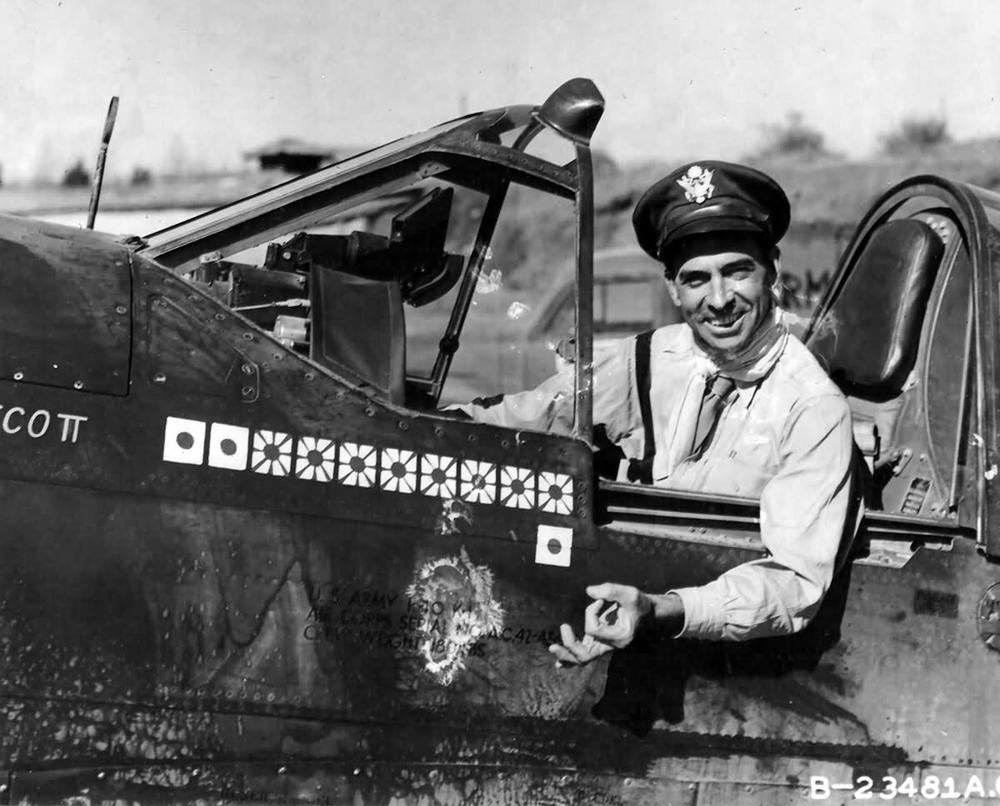
Brigadier General Robert Lee Scott was a boy from Waynesboro, Georgia who went on to become a World War II hero. He was an American fighter pilot who flew over the Himalayas, one of the most dangerous routes possible at the time. Scott became a household name by writing about his experiences in the book “God is My Copilot” and played a key role in the opening of the Museum of Aviation near Robins Air Force Base.
But he was also a flawed person, according to biographer Robert Coram. His new book is called “Double Ace: The Life of Robert Lee Scott Jr., Pilot, Hero, and Teller of Tall Tales.” We speak with Coram about the man behind the myths and his enduring influence on Georgia aviation.
I am sometimes asked why I write military biographies. The best way to answer is with a story.
Here goes.
I am the first-born son of a man who spent thirty years and fifteen days in the United States Army. He retired as a master sergeant and until the day he died was known in my hometown as “The Sarge.”
The Sarge’s only frame of reference was the Army. Almost every conversation I had with him was a one-sided conversation: he would tell me to do something and the only acceptable response was “Yes, sir.”
I never had a childhood . . . I had an extended boot camp.
As I began growing up, the Sarge tried to teach me the things he thought a young man should know. Many of those things I accepted because I had to do so: turn off the light when I left the room, shine my shoes, keep my hair cut short, and say “Yes, sir” or “No, sir” to anyone five minutes older than I.
Other things he tried to teach me were more difficult and the Sarge and I had some monumental differences. There was much I simply did not understand.
– The reverence the Sarge had for the flag. He called it “Old Glory” or “The Colors” and said the flag stood for things that were worth dying for.
– Never make excuses. Just do the job, no matter the obstacles.
– A sense of duty and what it means to be a citizen of America.
– The concept of honor.
– Sacrifice.
The Sarge tried, he tried hard, to instill these and other things in me. But I rejected his teachings and we fought bitterly. I was a terrible disappointment to him and he told me many times I would never amount to anything.
He died when I was sixteen and I did not mourn his passing
I went away to college and flunked out. I joined the Air Force and was kicked out. And for decades I stayed as far as possible from all things military, from everything the Sarge represented.
During that time I went back to school. I worked as a reporter for the Atlanta newspapers and was twice nominated for the Pulitzer Prize. I wrote for many national magazines, including The New Yorker. I taught at Emory for twelve years and I wrote ten books.
But I was empty. Professionally and personally I felt that I was not doing what I was supposed to be doing; that I was not fulfilling my life’s purpose. I think my literary agent felt the same thing and I have reason to believe he was on the edge of dropping me.
Then through a rather involved process I came to write Boyd, the biography of an Air Force colonel. In researching and writing that book I began to have intimations of what my daddy had tried to teach me. Those intimations made me uncomfortable and I shrugged them off.
There was nothing in my professional background to indicate I could pull off a project like the biography of John Boyd. But I did. And the success of the book was such that the publisher offered me a two-book deal; the contract stipulating that both books would be “well researched military biographies.”
This was not part of my career plan. Perhaps because I didn’t have a career plan. But I did not want to write another military biography. I certainly did not want to write two. But writers rarely turn down a two-book offer from Little, Brown and Company, and I signed the contract.
The first of those two books was a biography of Colonel Bud Day and was called American Patriot. In writing that book I had my Pauline conversion. It took some fifty years but at last I understood what my daddy tried to teach me so many years ago.
One scene in the book did that.
Colonel Day went to Vietnam, was shot down in 1967, and became a POW. On Mother’s Day in 1969, two men escaped from the building where Colonel Day was in charge and the guards began a brutal round of reprisals. The guards began with junior officers, torturing them unmercifully. One officer died during a beating, another was driven insane, and three were taken away and never seen again.
Colonel Day knew the guards were saving him for last. As he waited for the guards to come for him, he resolved that he would not say or write or do anything that would embarrass his family, his Air Force, or his country. He would return with honor or he would not return at all.
Return with Honor.
About as simple as you can get.
One morning the guards came for Colonel Day. They took him to a cell, stripped him, tied him to the floor and began beating him. By noon they were tired and two new guards relieved them and the beating continued for much of the day.
That night, Colonel Day was not allowed to sleep. He was placed on a stool and when he nodded off he was prodded by a bayonet. He had no sleep for five days. He lost count of the lashes at three hundred.
He could have stopped the beatings at any time by signing a paper saying he thought the war was immoral. Members of Congress were saying the war was immoral. So was the Attorney General of the United States, college students across America, and a large part of the population. But Colonel Day did not have such luxury. He was a serving officer in the hands of the enemy during a time of war and he was bound by a code of conduct. He would die before he violated that code.
The beatings took him to a place where he almost lost his sanity. He was dying. He held onto a simple phrase: Return with Honor. Return with Honor. Return with Honor.
The guards knew he was dying and decreased the number of lashes. Then Ho Chi Minh died in September and the POWs entered a relatively quiet time.
In March 1973, the POWs were released. After five years and seven months and thirteen days as a POW, Colonel Day came home. And he returned with honor.
When I interviewed Colonel Day about his torture, both of us wept. He wept because he had not discussed his beatings in such detail and even though more than three decades had passed, the pain was so great. I wept because at last I understood what my daddy had tried to teach me and even though more than five decades had passed, the pain was so great.
Countless times since Colonel Day’s biography was published, military people have said to me, “I read your book. And I wonder what I would have done, how I would have handled it, if I had been tortured the way Colonel Day was tortured.”
My answer is always the same: You would have done the same thing he did because that is your job. You are in the same business Colonel Day was in. You are a man at arms and you are all brothers, and your values and your standards and your patriotism and your bravery and your sacrifice are far above that of most Americans.
The understanding that came to me as a result of writing Colonel Day’s biography freed me in ways I never imagined. When I wrote the next biography – Brute – I wrote it from the heart. I wrote it as one who grew up an Army brat but suddenly understands for the first time the ethos, the values, and the standards of the military. I wrote it as one who now understands all that is noble about the military and about America. I wrote it as one who now knows that military people are better than the rest of us.
In the last few years I have been able to see the circular nature of my life. I have arrived back where I began and I see it all for the first time. I wish I had understood these things earlier. But God has a sense of humor and there are reasons that understanding came late in life.
Today when I go to southwest Georgia to visit my mother – she is in her nineties – I always make time to go up to the little country cemetery where the Sarge is buried.
A corner of that cemetery is devoted to my family. What many of the men have in common is that on their gravestone is engraved the branch of the army in which they served: Engineers. Signal Corps. Infantry.
In every war since the American Revolution, men in my family have worn the uniform and served their country. Some of those men are buried in this little cemetery. And as I sit on the side of my daddy’s grave and look around at the grey and weathered tombstones, I am among my people. And they are a people who have sacrificed much.
The Sarge and I talk.
We still have one-sided conversations. But now I get to do the talking.
I tell the Sarge about the work I am doing, about the new book I’m working on, and how I think he would at last be proud of me. I tell him that today I have the best job in the world; I write of American heroes, of men who are like Master Sergeant J.B. Coram.
I tell the Sarge I realize that when I was a boy, I rejected the greatest gift a father can pass along to his son, but that now I understand.
As I sit on the edge of the Sarge’s grave, I remember my childhood, and remember stories I have heard about the relatives who are buried all around me, and am glad I am the son of a military man and I am grateful for my good fortune in being able to write about such men.
And I can tell you that today all is well with the Sarge and me. All is well.
The biography was published in America as Nobody’s Child, in the UK and Europe as Bridge Across My Sorrows. The book, published 20 years ago, was a best seller in the UK, Germany, France, and Italy. The movie was shot by a British production company.
Coram’s nextbook is a biography of Brigadier General Robert Lee Scott, Jr., a double ace and legendary fighter pilot in China during World War II, and the author of God Is My Co-Pilot. Scott’s real story is more than the biography of a famous pilot and best-selling author; it is the inspirational and uniquely American story of a small-town boy who dreamed big dreams and, against almost impossible odds, saw all his dreams come true. Thomas Dunne Books, an imprint of St. Martin’s Press, will publish the biography in the spring of 2015.
